Examples
Passport photo examples: accepted vs rejected
Most rejections come from the same handful of mistakes — shadows, glasses, a tilted head, a busy background. Here is what passes and what fails, and how each failure is fixed. Then check your own photo against the same measurements, free.
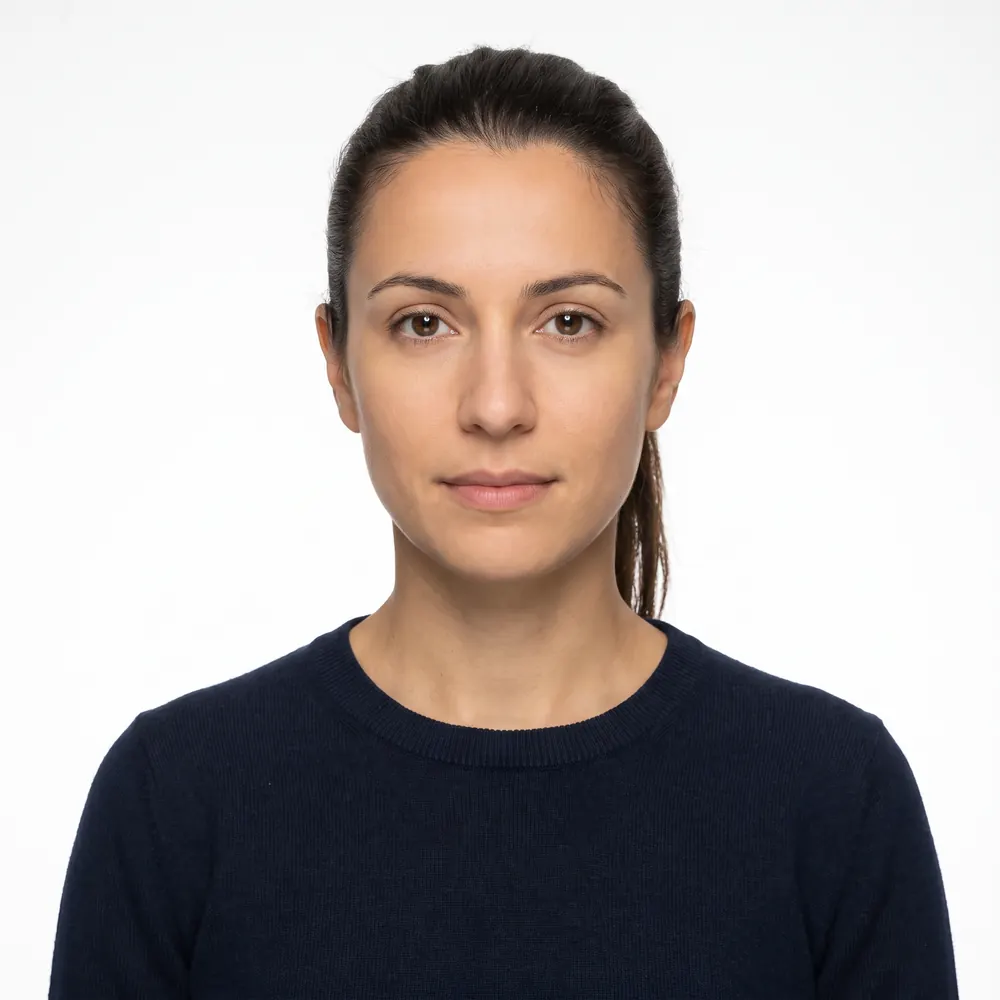 Accepted
Level head, plain background, even light
Face centred, eyes level, head filling the required share of the frame, plain light background with no shadow. This is the target.
Fix: No fix needed — this is what a compliant file looks like.
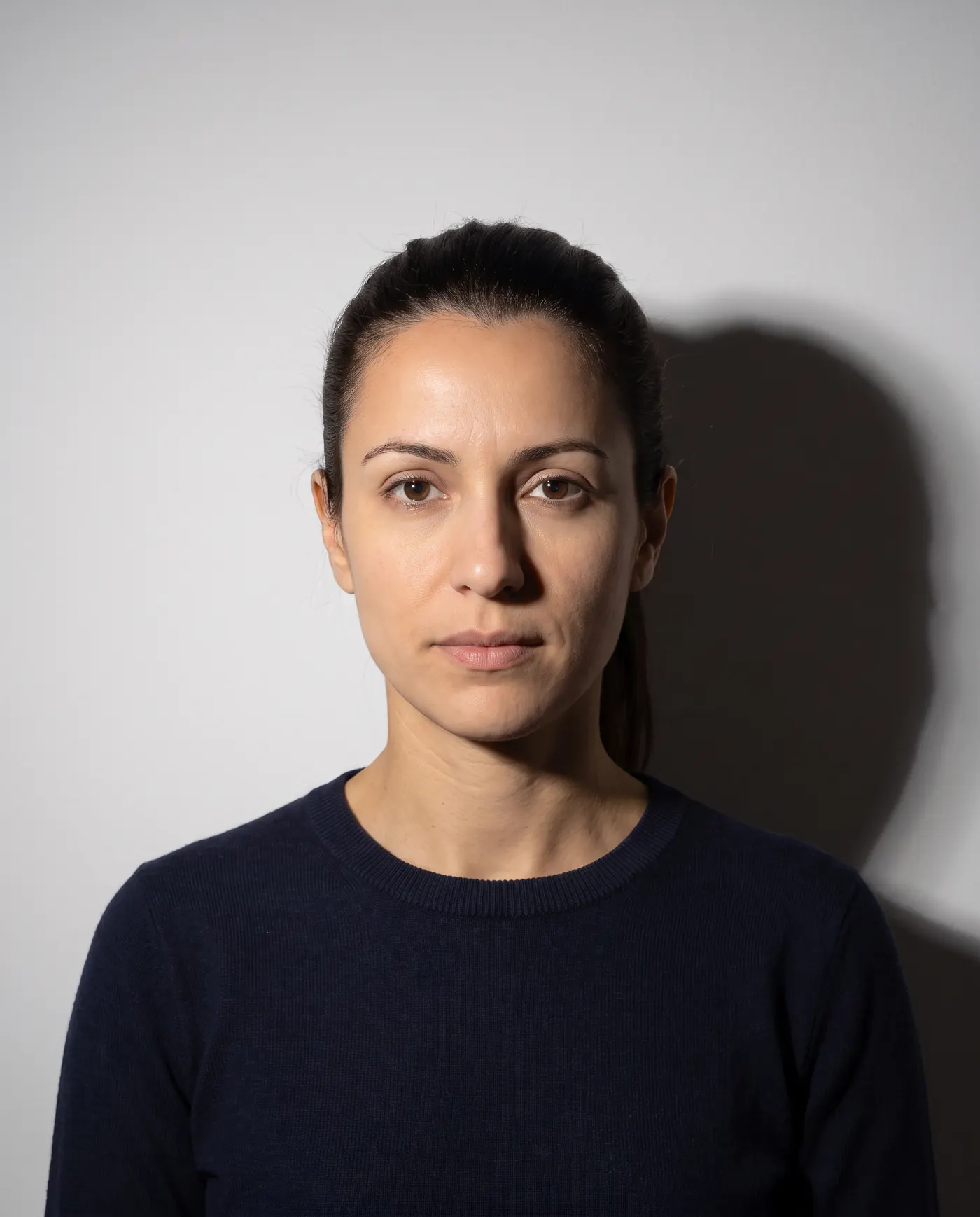 Rejected
Shadow behind the head
Side lighting throws a visible shadow on the wall behind the subject — one of the most common rejection reasons.
Fix: Face a window or a second light source so the background lights evenly.
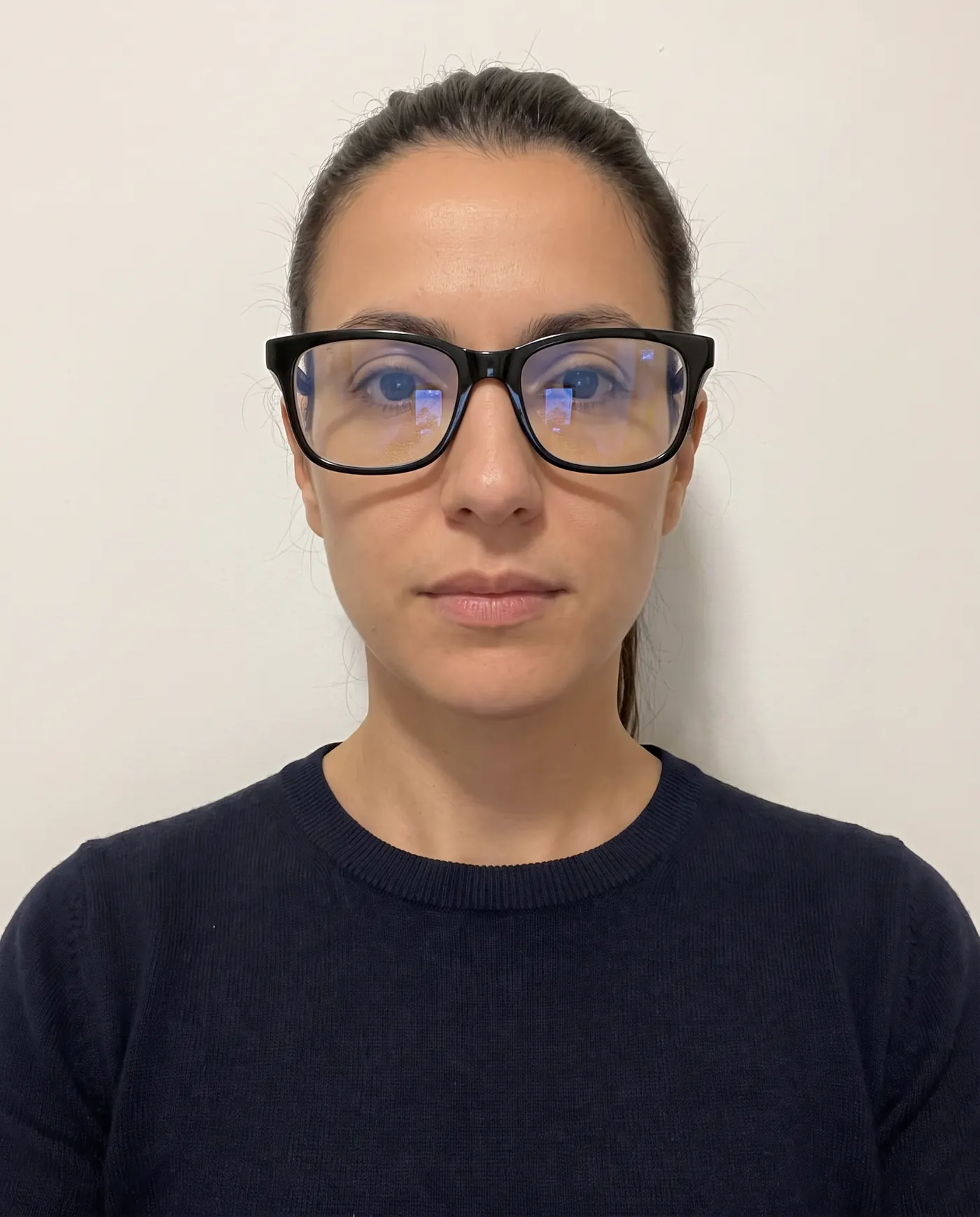 Rejected
Glasses worn
Glasses have been banned in US passport and visa photos since November 2016 — including clear prescription lenses.
Fix: Take the glasses off before shooting. Our checker does not detect eyewear, so this one is on you.
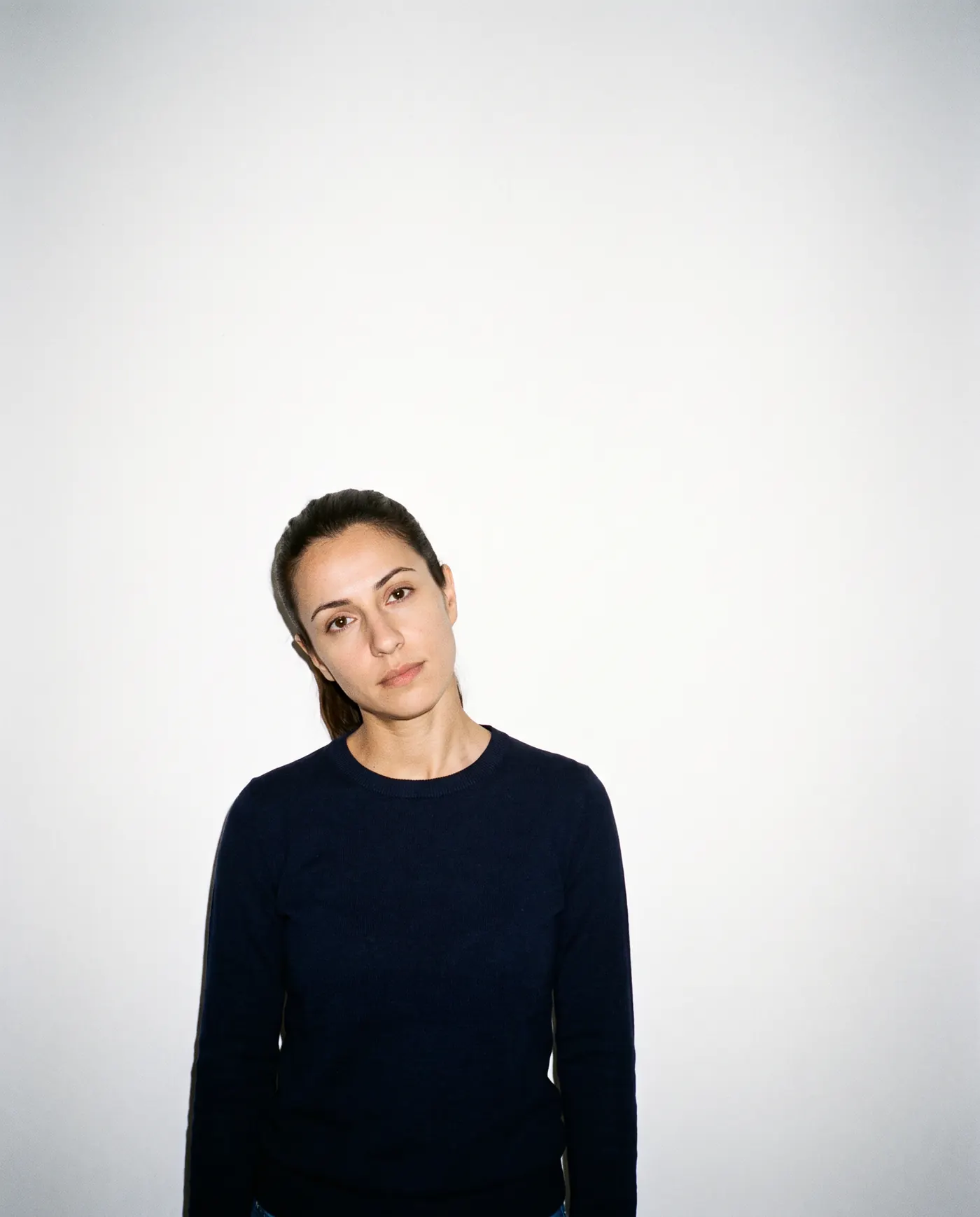 Rejected
Head tilted and too small
The head is angled and does not fill enough of the frame. Authorities measure head size as a percentage of the photo height.
Fix: Hold the phone level at eye height and move closer — or let the checker crop to spec.
What our checker measures — and what it doesn't
Measured automatically
- File format, dimensions in pixels and file size
- Head size as a share of the frame, and eye-line position
- Head tilt and whether the face is centred
- Background evenness and how much of it is plain
Only you can confirm
- Glasses off, neutral expression, mouth closed
- No hat or head covering (except religious/medical)
- Photo taken in the last six months and still looks like you
- No filters, retouching or a digitally replaced background
A pass here means your photo meets the published measurements we can check — the issuing authority always makes the final call. Full rules per document: browse all documents.